


Bifurcated stair. Poorly lit with no handrails.

Portable gas heater.
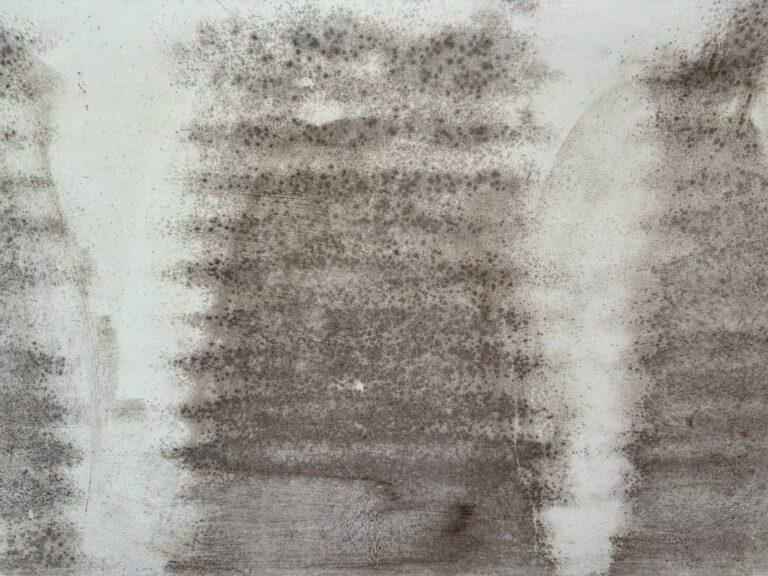
Plaster on lath. Mould growth due to missing insulation.
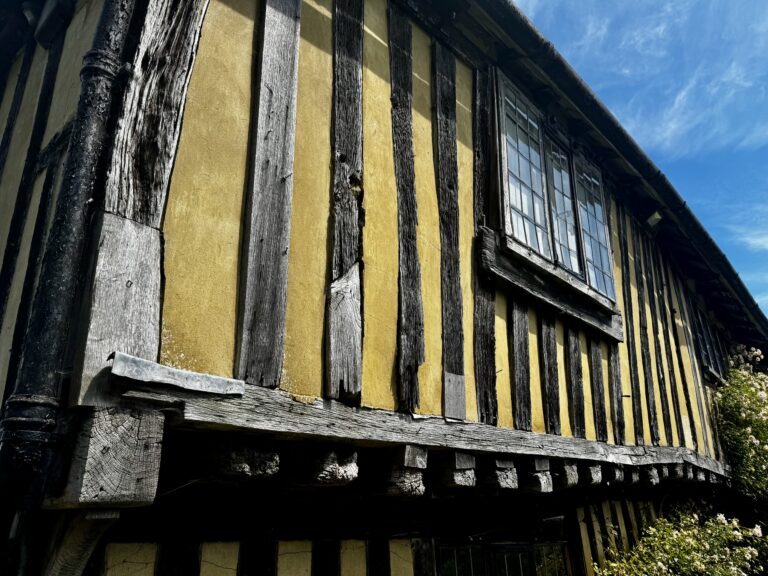
Traditional timber-framed building with jettied front. 15th century.
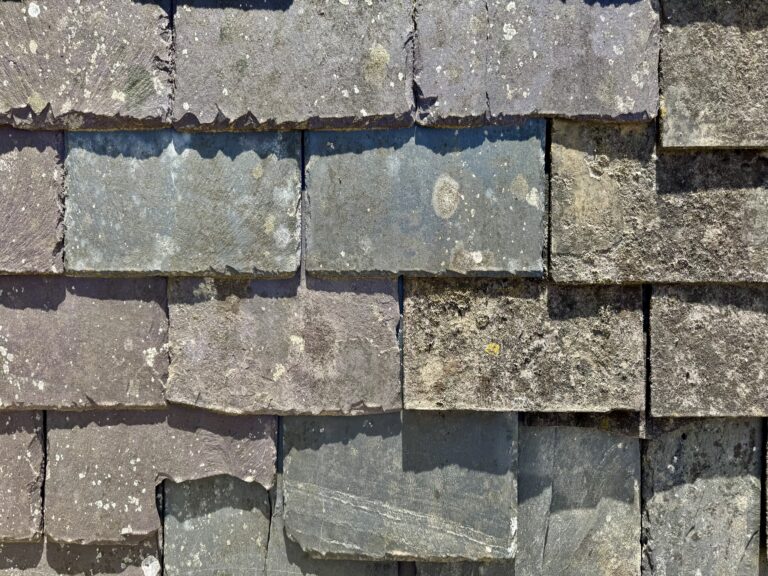
Slate roof. Mix of natural and fibre cement slates. Damage to various areas.
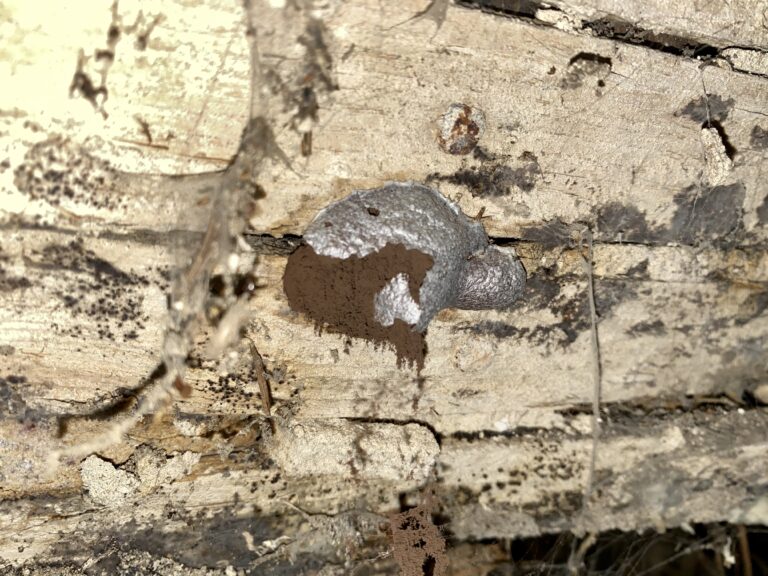
Slime mould. Enteridium lycoperdon (“false puffball”).
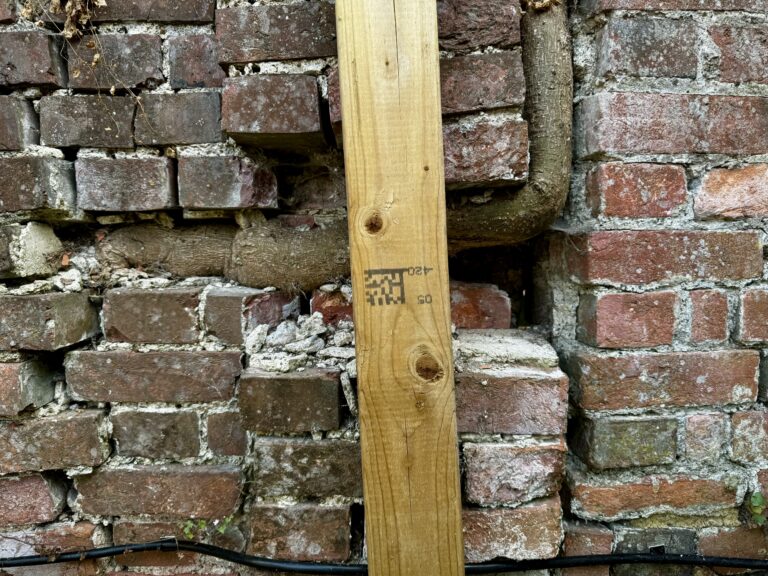
Root damage to wall.

Pattress plates on an external flank wall to provide additional lateral restraint at floor level.
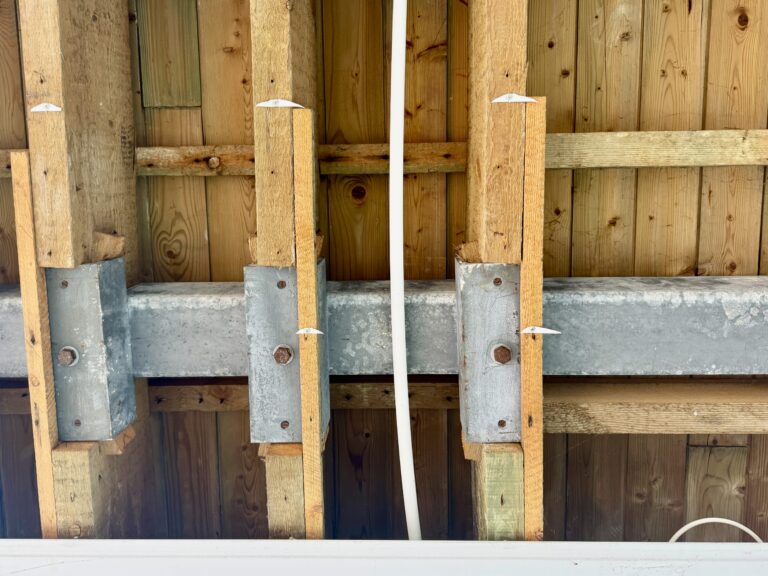
Timber joists connected to steel beam.
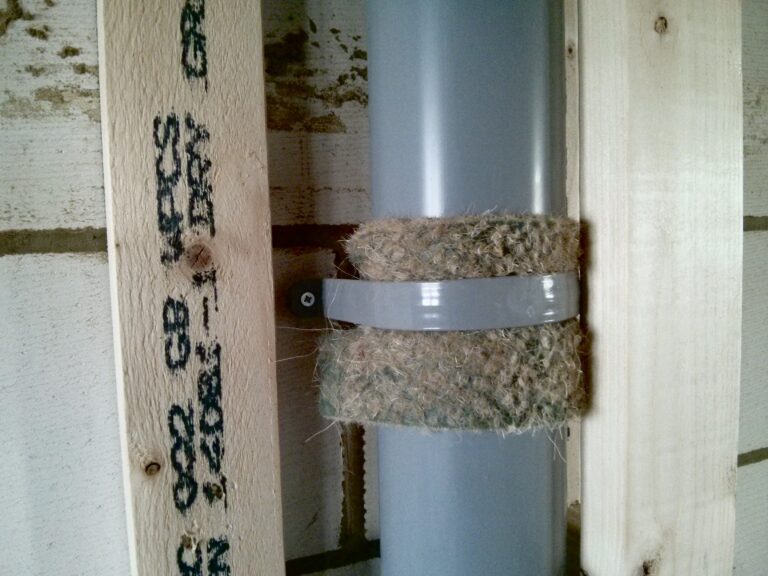
Drainage pipe. Isolated using an acoustic jute pad.

Poor quality brickwork. The strength and durability of this wall is uncertain.

Bamboo.
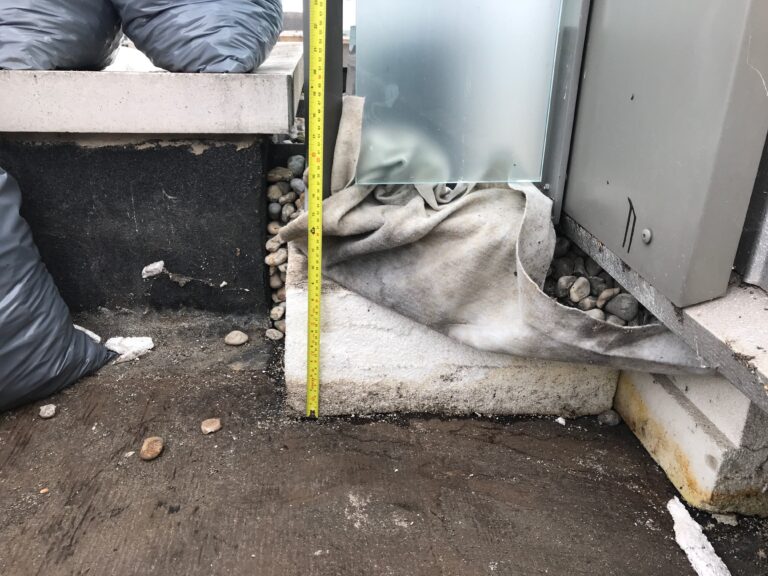
Inverted warm deck roof construction.
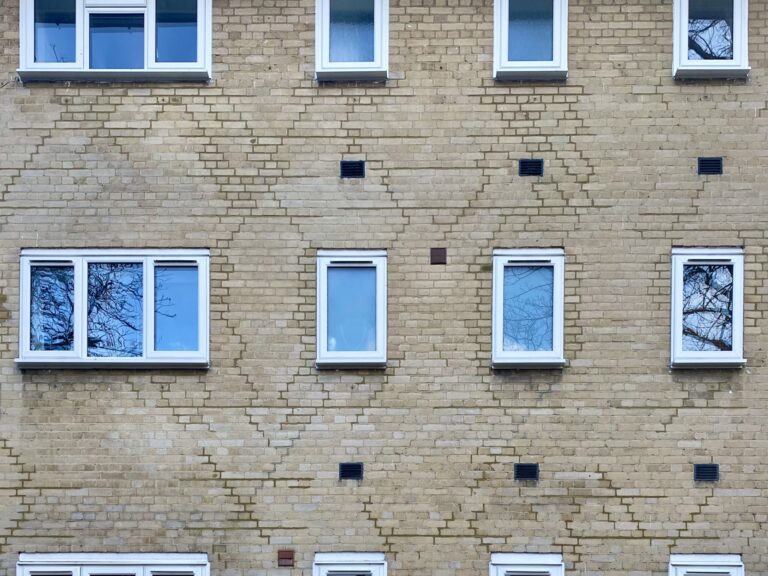
Calcium silicate brickwork. The darker areas are where crack repairs have been undertaken.
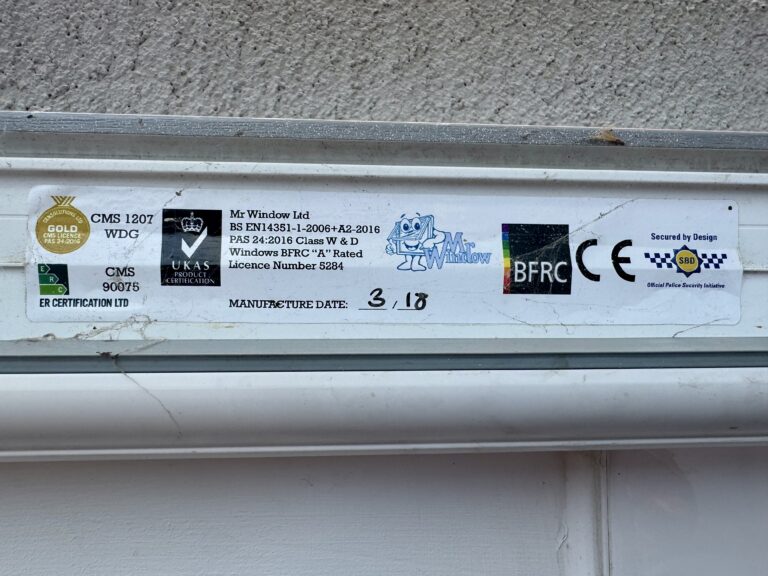
PVCu window. Secured by Design label.
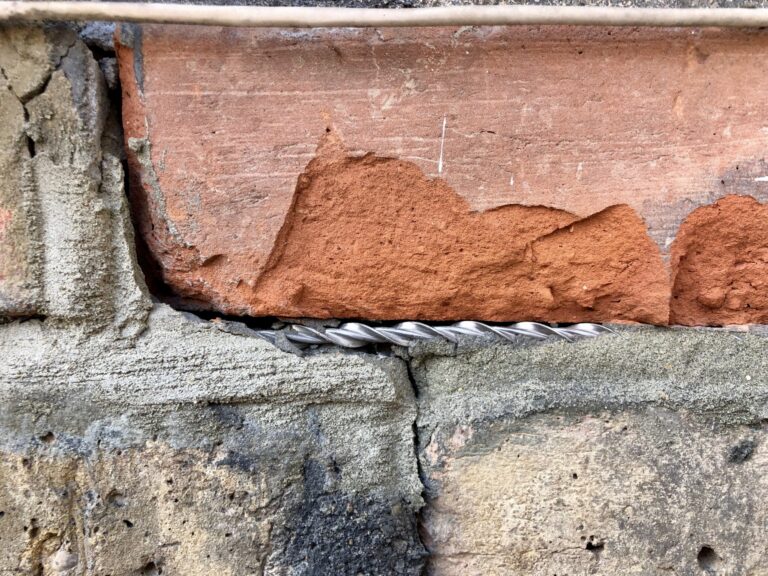
Helibar repair. An excellent example of how not to do this type of work.
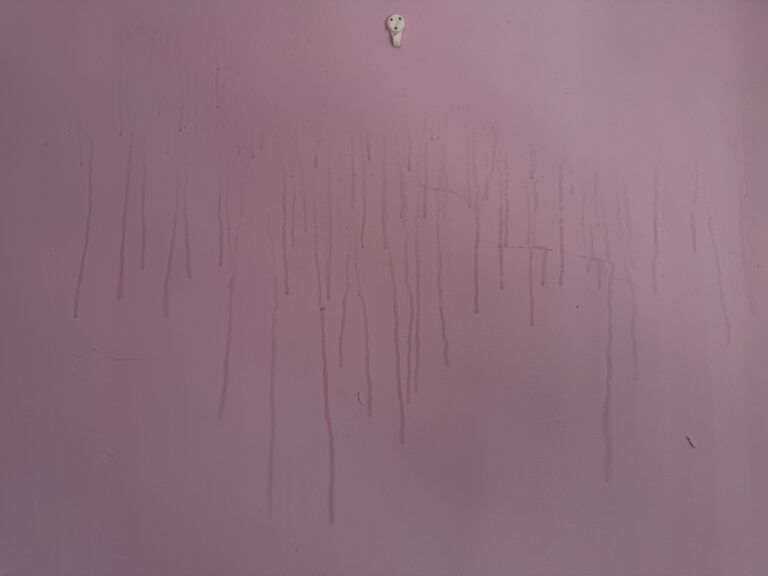
Surfactant leaching to paintwork.

Redundant cold water storage tanks.
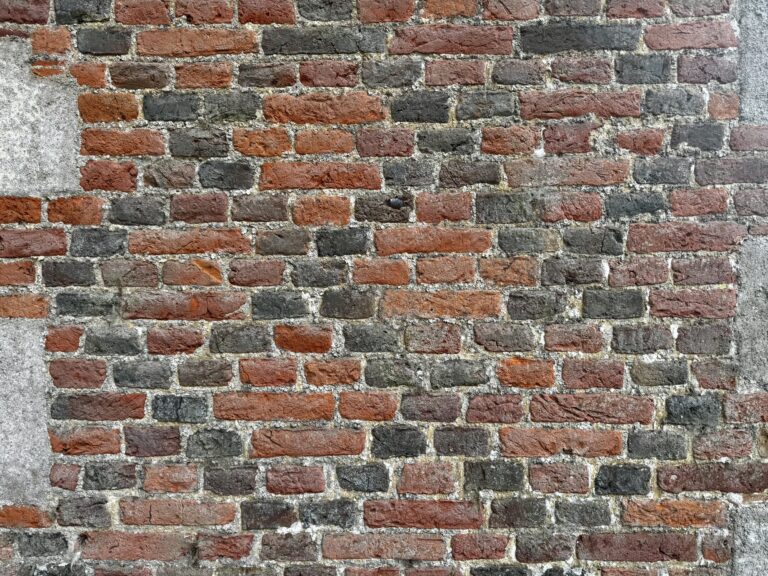
Diaper brickwork. Lozenge pattern.
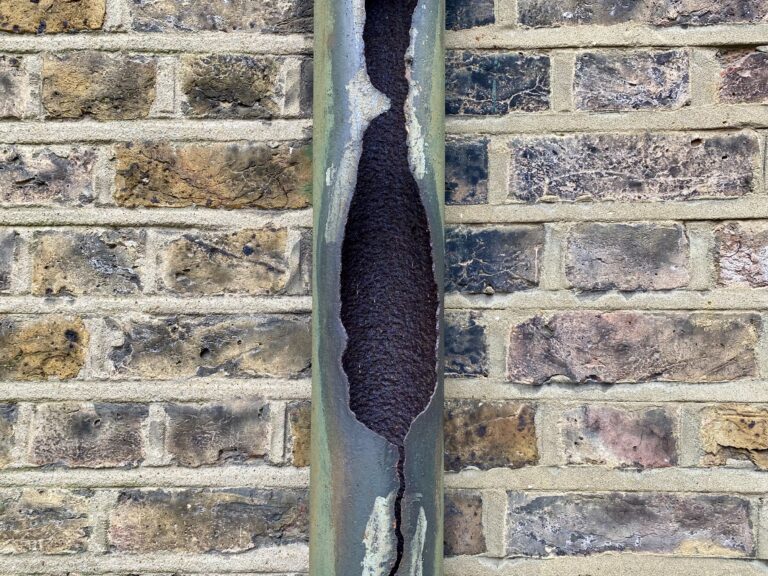
Damaged cast iron pipe.
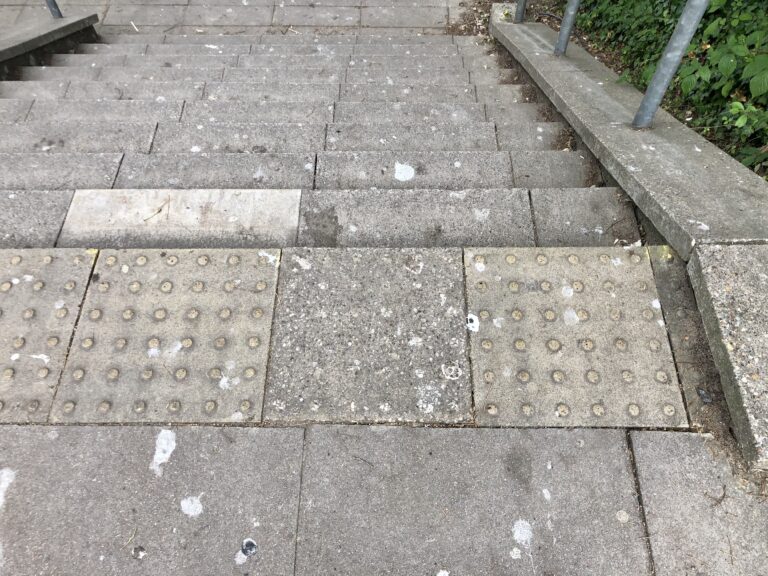
Tactile paving at the top of some steps.

Iron corbel supporting a timber wall plate. Also rot due to rainwater ingress.
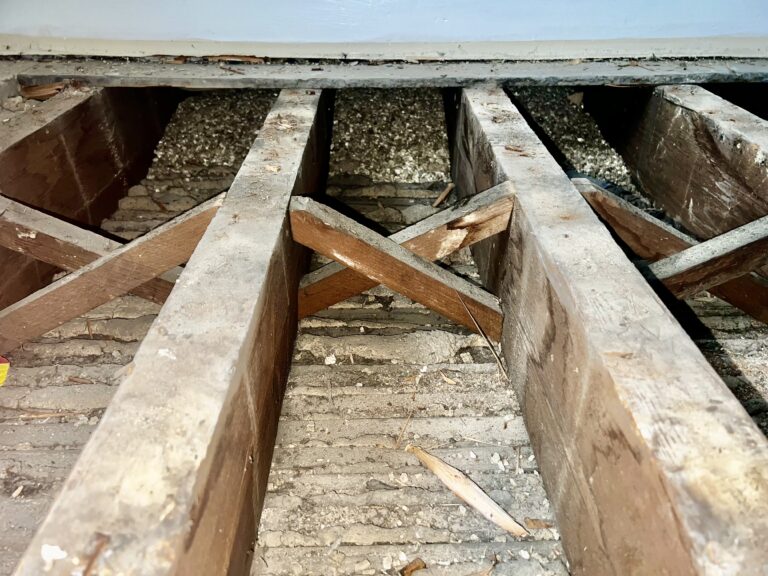
Herringbone struts. Also some vermiculite insulation further back.
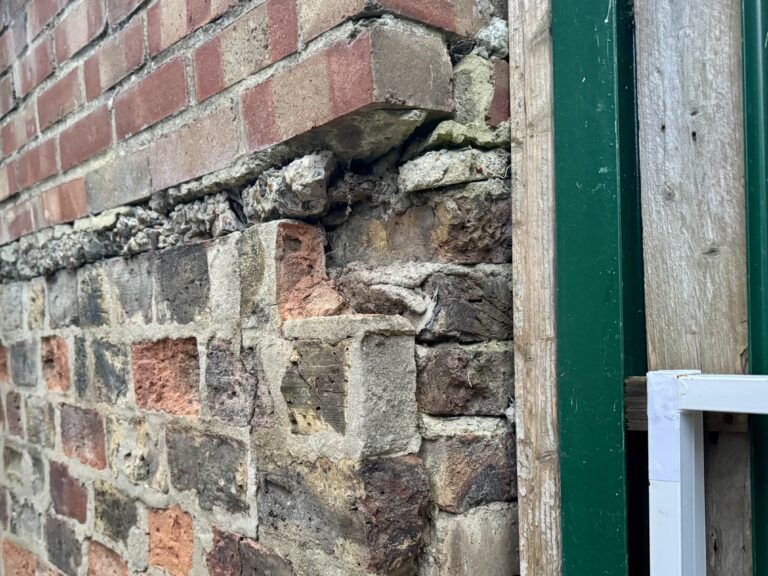
A wall that’s been widened, levelled-off with concrete, and then extended vertically.
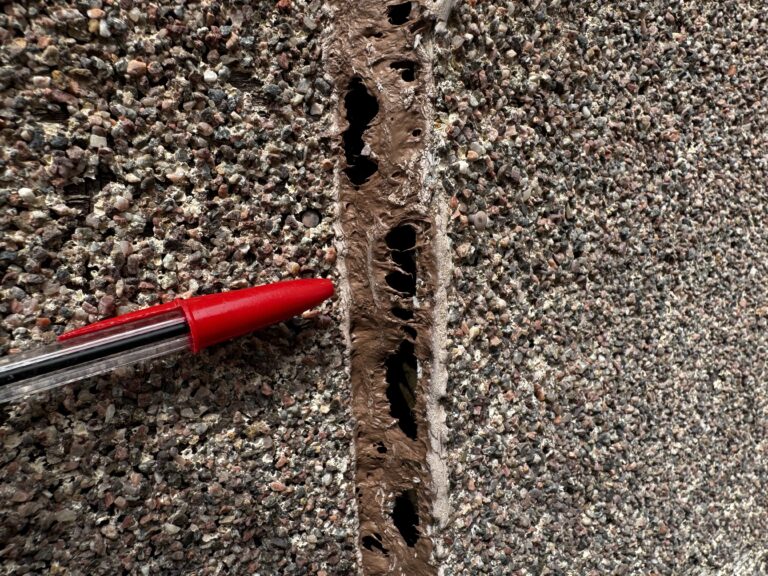
Spar coated plywood cladding panels. These are warped and opening up at the joints.

Missing lintel above this door opening. Distortion to brickwork.
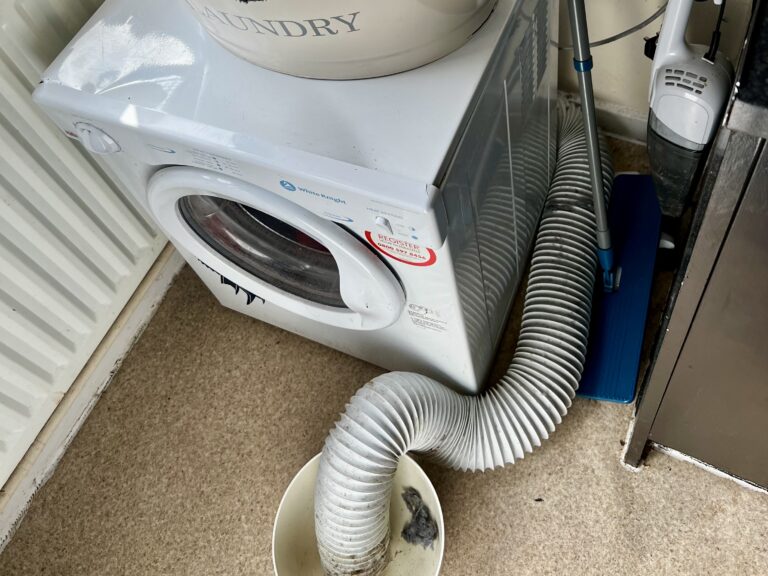
Unvented tumble dryer.
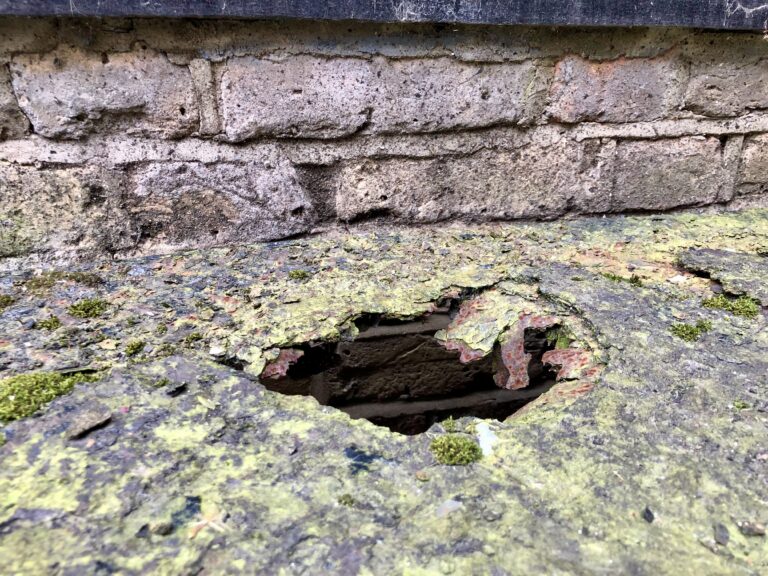
Fire escape. Badly corroded steel deck.

Magnesium oxychloride (“magnesite”) floor.
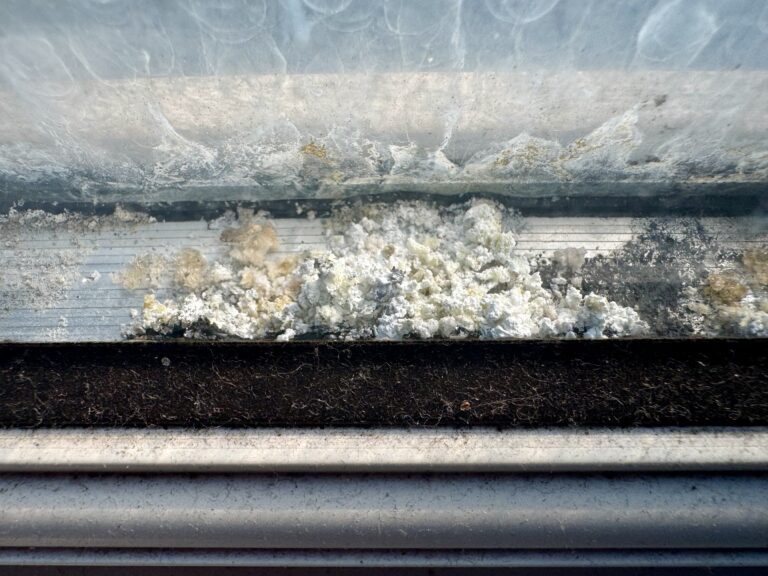
Inside double-glazed window. Crystallisation of desiccant.